
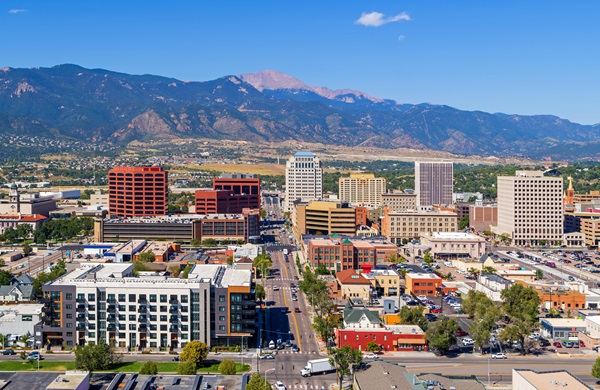
How Speed And Street Design Are Putting Colorado Springs Drivers At Risk
Speeding remains one of the leading causes of deadly crashes in Colorado, and the problem concentrates in the state’s largest cities. Colorado Springs, Denver, and Aurora account for most speeding-related fatalities statewide, according to Colorado Department of Transportation data from 2020 to 2024. In other words, the places with the most traffic, the widest corridors, and the busiest commutes are also where high-speed crashes most often turn catastrophic.
The toll is not abstract. Colorado recorded 622 traffic fatalities in 2020, and speed continues to be a major driver of deaths on Colorado roads. Colorado Springs has repeatedly ranked among the cities with the highest fatality totals, including 47 traffic deaths in 2024 reported by CDOT.
Against that backdrop, it makes sense that Colorado Springs residents are calling for change after fatal crashes, especially along roadways where speeding feels built into the design rather than treated as an exception. For anyone seriously hurt in a high-speed collision, a Colorado Springs car accident lawyer can help identify what happened, preserve evidence, and take on insurers before the story gets rewritten.
Where Dangerous Roads and Delayed Action Intersect
Colorado Springs has seen a rise in community-led traffic safety efforts after a string of fatal collisions, particularly along high-speed multi-lane roads that run through residential neighborhoods. On North Nevada Avenue alone, residents have documented at least 10 traffic fatalities in the past two decades.
Despite prior studies recommending safety improvements such as lane reductions, bike lanes, and other traffic calming measures, many of those recommendations remain unimplemented. In the meantime, residents have been placing yellow signs reading “Someone Died Here” at the exact locations where crashes occurred.
Some signs are more crude, if not coded. In 2017, a neighbor noticed just how fast drivers were traveling along Pine Street near Louisville Elementary School. Frustrated, they turned concern into action by creating signs urging drivers to slow down, using the phrase “STFD.”
The signs serve as memorials and warnings. They raise a legal and practical question: When dangerous conditions have been known for years, who is responsible when someone is seriously injured?
Speeding and Road Design: What Colorado Law Says
When dangerous road conditions have been documented for years, responsibility for a serious crash does not always rest with a single driver. Colorado law recognizes that collisions often result from a combination of driver behavior and roadway conditions, particularly on wide, high-speed corridors where excessive speeding is foreseeable and prior crashes have already occurred. In these cases, liability may extend beyond the at-fault driver if the roadway’s design, maintenance, or regulations contributed to a known and preventable danger.
In serious injury and fatal crash cases, responsibility may involve one or more of the following parties:
- At-Fault Driver: When speeding, reckless driving, or distraction directly caused the collision.
- Public Entity: When a city, county, or state agency failed to address known safety risks related to roadway design, traffic control, or repeated crash patterns.
- Designers or Contractors: When negligent planning, construction, or maintenance created unsafe driving conditions.
- Multiple Liable Parties: When driver conduct and roadway conditions combine to produce a foreseeable and preventable crash.
The Colorado Governmental Immunity Act governs claims involving public entities. This law imposes strict notice requirements and short deadlines, often as little as 180 days, which can bar claims entirely if not handled correctly. Determining who may be held accountable requires a careful review of crash history, design studies, prior complaints, and compliance with state and local procedures. Legal guidance can help ensure that responsibility is properly assigned and that no potential claims are lost due to missed deadlines or procedural errors.
What Injured Victims Should Know After a Serious Crash
In the aftermath of a serious or fatal crash, injured victims and grieving families are often left without clear direction. Medical treatment takes priority, but legal rights begin to shift immediately, and failing to act quickly can jeopardize future claims.
Certain legal issues often arise soon after a crash in Colorado Springs. Understanding these points can help injured individuals protect their rights and avoid mistakes that insurance companies often exploit.
- Notice of Claim Requirements: Claims involving government agencies, such as the City of Colorado Springs or El Paso County, often require formal written notice within 180 days of the incident under the Colorado Governmental Immunity Act.
- Statute of Limitations Deadlines: Most Colorado personal injury claims must be filed within three years of the crash. Wrongful death claims are generally subject to a two-year deadline, and different rules may apply when a child or a legally incapacitated person is involved.
- Evidence Preservation Issues: Traffic camera footage, 911 recordings, and crash scene data can play a key role in proving fault, but these records are often overwritten or lost unless they are requested promptly.
- Insurance Company Tactics: Insurance carriers are focused on limiting payouts and may push early settlements or deny liability, particularly in cases involving serious injuries or long-term medical care.
- Comparative Fault Rules: Colorado follows a modified comparative negligence system. Compensation may be reduced if an injured person is found partially at fault and barred entirely if fault exceeds 50 percent.
Even when a crash appears straightforward, Colorado law imposes specific procedures and deadlines that can affect the outcome of a claim. Legal guidance can help injured victims navigate these requirements, preserve critical evidence, and avoid going it alone during a time when the stakes are high.
Proven Representation When The Stakes Are Highest
Colorado law imposes strict legal deadlines after serious crashes, particularly when a government agency or dangerous roadway conditions may be involved. Injured victims and families who have lost someone in a traffic collision should speak with an experienced Colorado Springs car accident lawyer as soon as possible to protect their rights.
The Longo Firm, LLC has spent years representing injured Coloradans and holding negligent drivers and responsible parties accountable. Our case results include multimillion-dollar recoveries, including $3.8 million for a truck accident and $525,000 for a car accident. That experience matters when a case involves complex liability, aggressive insurers, or tight statutory deadlines.
A free consultation with The Longo Firm, LLC allows injured individuals and families to get clear answers about their options, deadlines, and next steps. Acting quickly can make the difference between preserving a valid claim and losing the opportunity to seek accountability and compensation altogether. If you were injured, contact us today.
“If you want a lawyer who truly fights for you and treats you like family, Stephen Longo is the one. Highly recommended, The Longo Firm!” – Tamika H., ⭐⭐⭐⭐⭐