
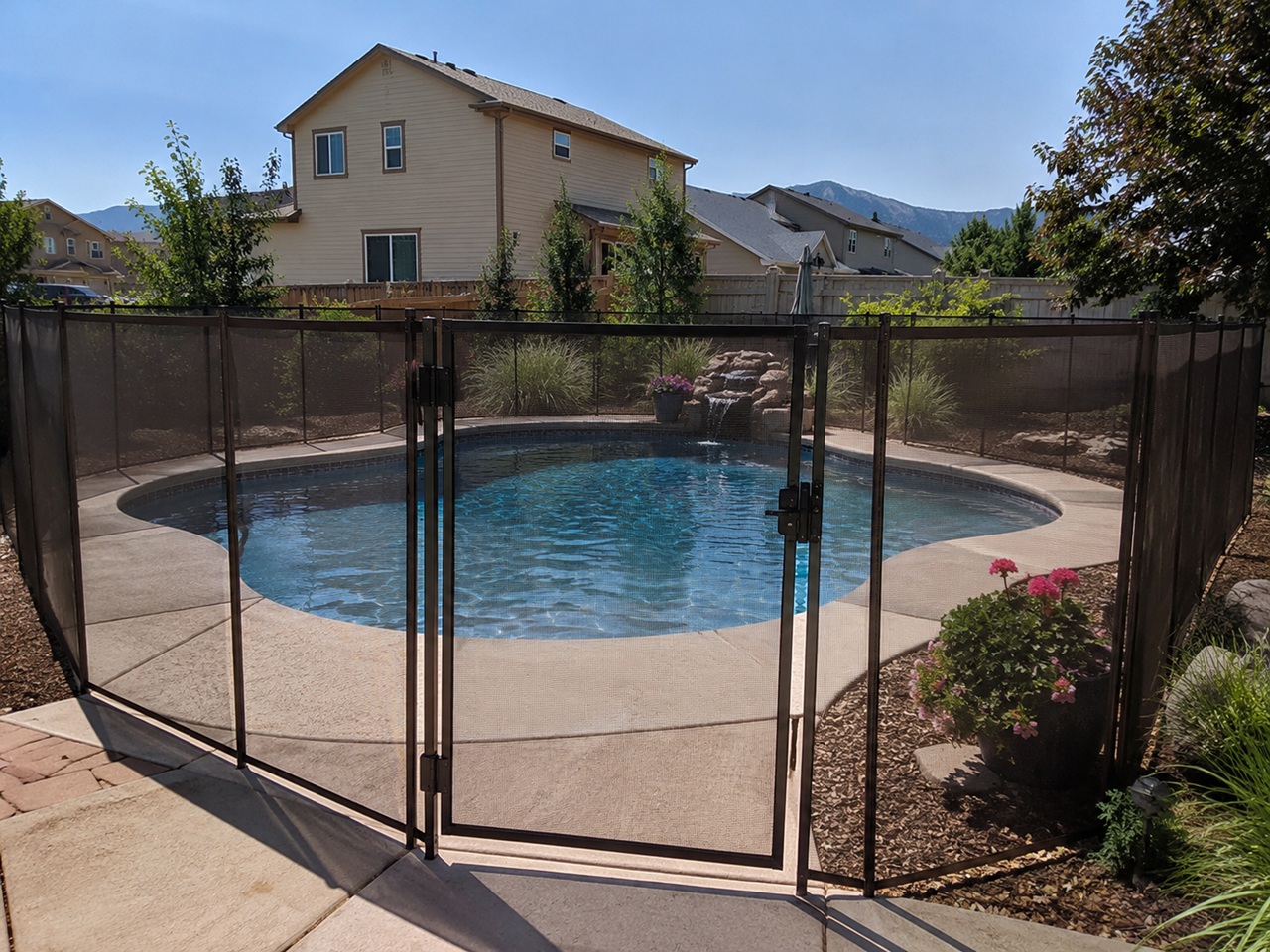
Pool Safety Failures Can Create Serious Liability in Colorado
Colorado summers draw families to backyard pools, community pools, and hotel pools across Colorado Springs. When a gate doesn’t latch, a deck is dangerously slick, or a pool isn’t properly maintained, a day in the water can become a medical emergency in seconds. Colorado’s premises liability law determines when the person or business responsible for the property may have to answer for those injuries.
The risk is especially serious for children. The U.S. Consumer Product Safety Commission reported that an average of 376 children younger than 15 fatally drowned in pool- or spa-related incidents each year from 2021 through 2023. More than 70% of those fatal drownings happened in residential settings.
At The Longo Firm, LLC, we know that a pool accident claim usually turns on details that are easy to overlook at first: why the injured person was on the property, what danger caused the injury, what the landowner knew, and what safety measures were actually in place.
Colorado’s Premises Liability Act Changes the Duty Based on Why You Were There
Colorado’s Premises Liability Act, C.R.S. § 13-21-115, uses three visitor classifications. The classification matters because it changes what an injured person must prove about the landowner’s knowledge and conduct.
- Invitees – A hotel guest, apartment resident using a shared pool, or member of the public using a pool that’s held open for business purposes may qualify as an invitee. A landowner can be liable for failing to use reasonable care to protect an invitee from dangers the landowner knew about or should have known about.
- Licensees – A social guest invited to a friend’s backyard pool is generally a licensee. The landowner’s duty is narrower and focuses largely on certain dangers the landowner actually knew about.
- Trespassers – A person who enters or remains without the landowner’s consent generally receives much less protection under the statute. Colorado, however, expressly preserves the attractive nuisance doctrine for children under 14.
That last point is important in swimming pool cases because a child’s age, the condition of the property, and the way the child reached the pool can change the analysis substantially.
A Child’s Pool Injury Can Raise Attractive Nuisance Issues
Colorado law recognizes that young children don’t always appreciate danger the way adults do. The attractive nuisance doctrine can impose additional responsibility when an artificial condition on property creates a serious risk to a child.
But a swimming pool isn’t automatically an attractive nuisance simply because a child is drawn to it. The facts still matter. A claim may turn on whether young children were likely to be around the property, whether the dangerous condition created an unreasonable risk of serious harm, whether the child could appreciate that risk, and what the landowner did to prevent access.
For example, an unsecured backyard pool in a neighborhood full of young children may raise very different questions from a pool surrounded by a compliant barrier with a functioning gate or approved safety cover. The focus is on the actual condition of the property, not the label placed on the pool after an accident.
Pool Barriers and Gates Can Become Critical Evidence
Pool safety requirements aren’t identical in every Colorado jurisdiction, so the code in effect at the property needs to be checked. In the Colorado Springs region, the Pikes Peak Regional Building Department currently applies the 2021 International Swimming Pool and Spa Code to swimming pools. That code includes requirements for barriers and other methods of limiting unsupervised access.
After an accident, it may be important to determine when the pool was built, what permits were issued, what code applied at the time, whether the barrier complied, and whether a gate or latch was working before anyone repaired it.
A code issue doesn’t automatically decide a civil case by itself. It can, however, become important evidence when evaluating whether the person responsible for the property took reasonable safety precautions.
Different Pool Hazards Point to Different Liability Problems
Not every swimming pool injury is a drowning. The condition that caused the accident often determines which people, companies, and records need to be investigated.
- Missing or ineffective barriers – A broken gate, failed latch, gap in a fence, or another access problem can allow a young child to reach the water without supervision.
- Slippery pool decks – Slip-and-fall injuries around a pool can result from damaged surfaces, drainage problems, or other dangerous conditions beyond the fact that a pool deck is naturally exposed to water.
- Poor water quality or visibility – Cloudy water can make it harder to see a swimmer in distress. Public and semi-public pools can also be subject to health and operating requirements that don’t apply in the same way to a private backyard pool.
- Defective drains or equipment – A drain, pump, suction system, ladder, cover, or other component can create a separate danger if it’s defective, damaged, or improperly maintained.
- Unsafe diving conditions – Depth markings, diving restrictions, hidden obstructions, and the design of the pool area can all matter when a swimmer suffers a head, neck, or spinal injury.
For public and semi-public facilities, Colorado also has state swimming pool and mineral bath regulations addressing health and operational requirements. A hotel, apartment complex, recreational facility, or other commercial pool may therefore involve records and responsibilities that wouldn’t exist in the same form at a private home.
More Than One Person or Company May Be Responsible
A serious pool accident doesn’t always point to a single defendant. Colorado’s statute defines a landowner broadly enough to include people in possession of property and, in some circumstances, others legally responsible for the property’s condition or activities conducted there.
- Homeowners – A homeowner may be responsible for dangerous conditions at a private residential pool when the requirements of Colorado’s premises liability law are met.
- Hotels, apartment complexes, and homeowners’ associations – Ownership, control, maintenance agreements, and responsibility for the pool area can determine which entity or entities need to be investigated.
- Pool maintenance or service companies – A contractor that was legally responsible for maintaining a dangerous condition may become relevant depending on the contract and the work it performed.
- Equipment manufacturers or installers – If defective equipment caused the accident, a separate product liability or negligence claim may need to be considered in addition to any premises liability claim.
The right answer usually comes from documents, not assumptions. Ownership records, service contracts, maintenance logs, inspection records, and permits can show who actually controlled the dangerous condition.
Evidence Can Change Quickly After a Pool Accident
Pool accident evidence can disappear fast. A broken latch may be replaced the next morning. A maintenance company may repair equipment. Surveillance footage can be overwritten, and furniture or pool accessories can be moved before anyone documents where they were.
Depending on what happened, useful evidence can include photographs and video of the pool area, measurements of the barrier and gate, permit and inspection records, maintenance logs, prior complaints, witness statements, emergency response records, and insurance information.
When possible, preserving the condition of the property before repairs are made can help answer the most important question later: what did the pool area actually look like when the accident happened?
A Serious Pool Injury Can Create Long-Term Losses
Near-drowning incidents can cause brain injury from a lack of oxygen, while falls and diving accidents can cause broken bones, spinal injuries, head trauma, and other lasting harm. Families may face emergency care, hospital stays, rehabilitation, lost income, future treatment, and changes to everyday life.
A Colorado premises liability claim may seek compensation for medical expenses, future care, lost income, reduced earning capacity, pain and suffering, and other losses supported by the evidence. When a pool accident is fatal, surviving family members may also have rights through a Colorado wrongful death claim.
Pool Accident Claims Depend on the Details
We have handled premises liability cases where proving what happened on the property made a meaningful difference. Our case results include a $225,000 premises liability recovery involving an accident at a restaurant and bar. That case didn’t involve a swimming pool, and prior results don’t guarantee a similar outcome, but it reflects the importance of investigating the property condition and the people responsible for it.
If you or your child was seriously hurt in a swimming pool accident in Colorado Springs or elsewhere in Colorado, Attorney Stephen Longo and our team can investigate the property, identify the applicable safety requirements, preserve evidence, determine who controlled the pool area, and pursue the compensation available under the facts of your case.
Contact us for a free case evaluation. There are no upfront attorney’s fees, and we only get paid if we recover compensation for you.
“I had a work related injury that turned into a complicated situation quickly. At the time I wasn’t even sure I would be able to recover anything for my injury. Stephen took my case without question assuring me we can and will recover my losses. After a lengthy and complicated dispute Stephen was able to recover for me on a case many attorneys wouldn’t even look at. If you’re looking for dedication and committment on a personal level, this is the guy you want to call. Thanks goes out Mr longo and his team.” – Doug, ⭐⭐⭐⭐⭐