
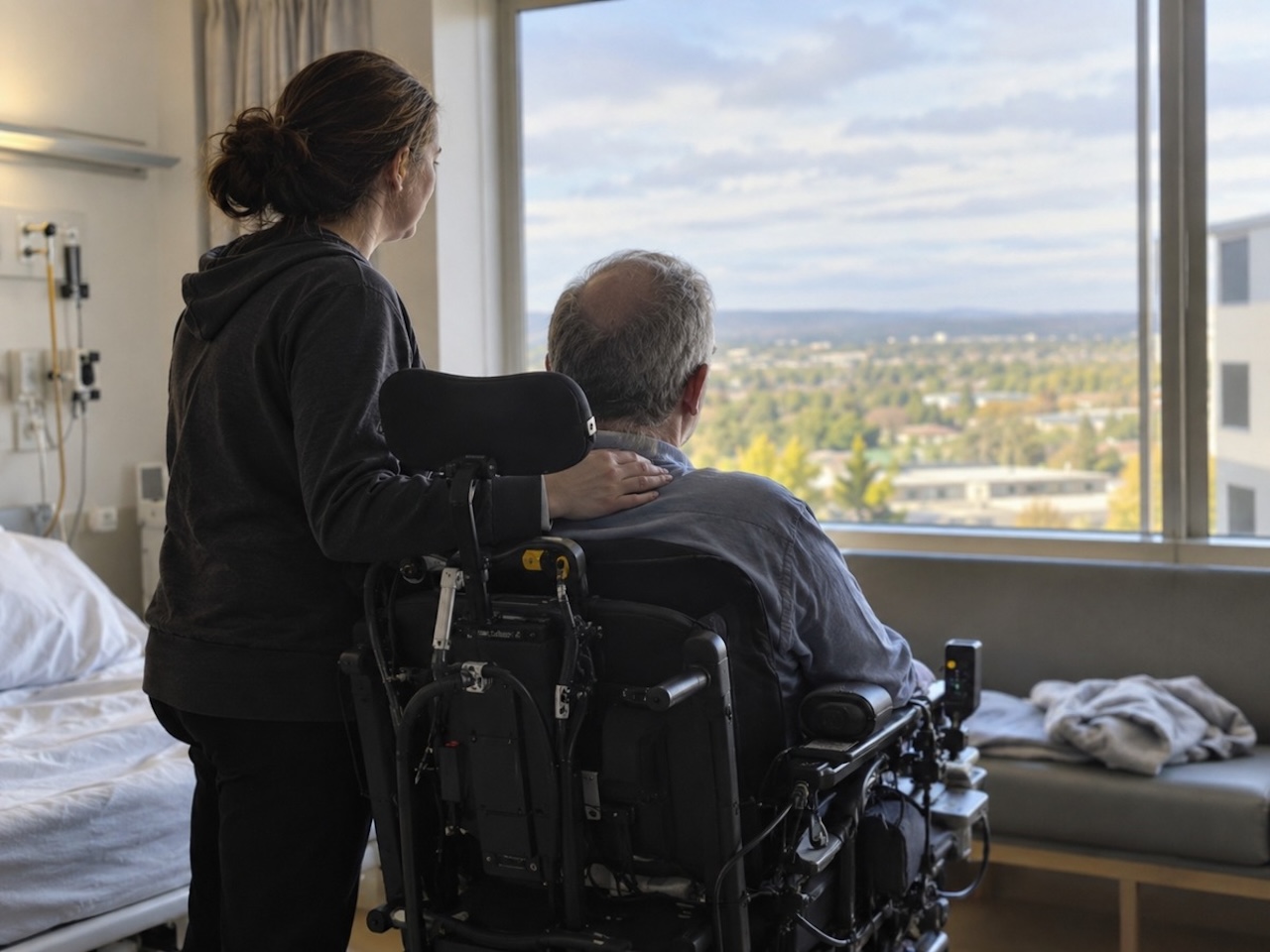
How a Spinal Cord Injury Can Reshape Life After a Colorado Car Accident
September is Spinal Cord Injury Awareness Month, an important reminder of how quickly a serious crash can create consequences that last for decades.
The National Spinal Cord Injury Statistical Center’s 2026 data shows that vehicle crashes remain the leading cause of traumatic spinal cord injury, accounting for 37.1% of recent cases. Complete neurological recovery by hospital discharge remains uncommon, although the extent of long-term disability varies considerably from one person to another.
A Colorado Springs driver may initially focus on back or neck pain after a car accident and only later realize that numbness, weakness, difficulty walking, or another neurological change signals something more serious. Bleeding and swelling around an injured spinal cord can also cause neurological problems to worsen after the initial trauma.
At The Longo Firm, LLC, attorney Stephen Longo has spent more than 14 years working in catastrophic personal injury litigation. Our firm takes a hands-on, personalized approach to serious injury claims where future medical care, disability, and lost earning capacity can become central to determining fair compensation.
- A spinal cord injury can cause permanent weakness, paralysis, sensory loss, bowel or bladder dysfunction, chronic pain, and other lasting limitations.
- Permanent disability doesn’t necessarily mean complete paralysis. An incomplete spinal cord injury can still permanently interfere with work and daily activities.
- A Colorado injury claim may include future medical expenses, diminished earning capacity, noneconomic losses, and physical impairment when supported by the evidence.
- Colorado currently caps many ordinary noneconomic damages claims, but the general statutory cap doesn’t limit compensatory damages for physical impairment or disfigurement.
- The value of a spinal cord injury claim depends on the individual person’s prognosis, functional limitations, future needs, liability evidence, and other case-specific facts.
How Can a Car Crash Damage the Spinal Cord?
The spinal cord carries signals between the brain and the rest of the body. A violent crash can fracture or dislocate vertebrae, damage discs and ligaments, cause bleeding, or create swelling that injures or compresses the spinal cord.
The National Institute of Neurological Disorders and Stroke explains that some neurological damage occurs at the moment of trauma while additional damage can develop afterward because of bleeding, swelling, and cell death.
That helps explain why every spinal cord injury doesn’t look the same immediately after a collision. Some people lose movement or sensation at once. Others experience worsening weakness, numbness, balance problems, or other neurological symptoms as the condition develops.
The location and severity of the injury largely determine which parts of the body are affected. Damage higher in the cervical spinal cord can affect both the arms and legs and, in severe cases, breathing. Thoracic injuries generally affect the trunk and legs, while lower injuries can affect the legs along with bowel, bladder, and sexual function.
Complete and Incomplete Spinal Cord Injuries Can Both Cause Disability
A permanent disability doesn’t require the spinal cord to be completely severed.
- Complete Spinal Cord Injury: A complete injury generally means there is no preserved motor or sensory function in the lowest sacral segments. The functional effects depend on the neurological level of the injury.
- Incomplete Spinal Cord Injury: An incomplete injury means some neurological function remains below the injury level. A person may retain some sensation or movement while still experiencing substantial weakness, mobility problems, pain, bowel or bladder dysfunction, or other permanent limitations.
Incomplete injuries are actually more common in the current national data. NSCISC reports that incomplete tetraplegia is the largest neurological category among recent traumatic spinal cord injuries.
Recovery can also continue after hospitalization and rehabilitation. The fact that fewer than 1% of people in the NSCISC database had achieved complete neurological recovery by hospital discharge doesn’t mean everyone else remained permanently unchanged. Some people regain meaningful function over time even without returning completely to their pre-injury neurological status.
Which Symptoms After a Crash Require Immediate Medical Attention?
A suspected spinal cord injury is a medical emergency. Symptoms after a serious collision that warrant urgent evaluation can include:
- Numbness or Tingling: New loss or changes in sensation in the hands, arms, feet, or legs may indicate neurological involvement.
- Weakness or Loss of Coordination: Difficulty moving an arm or leg, gripping objects, standing, balancing, or walking can signal spinal cord or nerve injury.
- Loss of Bladder or Bowel Control: Sudden changes in bladder or bowel function after neck or back trauma require prompt medical evaluation.
- Severe Spinal Pain or Pressure: Serious pain or pressure in the neck, head, or back after substantial trauma can accompany spinal injury.
- Paralysis or Loss of Movement: Any new inability to move part of the body after a crash requires emergency care.
- Breathing Problems: A high cervical or thoracic spinal cord injury can interfere with the muscles involved in breathing.
The Mayo Clinic identifies weakness, numbness, trouble walking, bowel or bladder loss, severe back or neck pain, and breathing difficulty among the emergency signs of spinal cord injury after an accident.
Why Can the Effects of a Spinal Cord Injury Become Permanent?
The spinal cord is part of the central nervous system, and serious damage to its nerve fibers can permanently disrupt communication between the brain and parts of the body below the injury.
That doesn’t mean neurological recovery is impossible. The extent of recovery depends on factors such as the injury level, whether the injury is complete or incomplete, how much nerve tissue survived, medical complications, and rehabilitation.
When substantial neurological deficits remain, a person may live with permanent paralysis or weakness, impaired sensation, neuropathic pain, spasticity, changes in bowel and bladder function, reduced independence, and a need for mobility equipment or assistance with everyday activities.
The effects can also extend into employment. Someone who previously worked in construction, manufacturing, transportation, law enforcement, or another physically demanding occupation may no longer be able to perform that work even if they retain substantial function.
What Can Permanent Disability Mean for a Colorado Injury Claim?
Colorado’s current civil jury instructions for personal injury cases allow a jury to consider past and probable future losses caused by the defendant’s negligence when supported by sufficient evidence.
In a serious spinal cord injury case, those losses may include:
- Medical and Rehabilitation Expenses: Hospitalization, surgery, physician care, physical and occupational therapy, medication, and other reasonable and necessary treatment.
- Future Medical Care: Long-term rehabilitation, specialist care, mobility equipment, medications, medical supplies, and other treatment the evidence shows will probably be needed.
- Lost Earnings and Earning Capacity: Compensation may address wages already lost and damage to the person’s ability to earn income in the future.
- Pain and Suffering: Physical and mental pain, inconvenience, emotional stress, and impairment of quality of life fall within Colorado’s noneconomic damages framework.
- Physical Impairment: Permanent loss of mobility, independence, bodily function, or the ability to participate in activities can support a separate physical impairment award when proved.
- Disfigurement: Scarring or other permanent physical changes may also support compensation when applicable.
Colorado courts require sufficient evidence before future or permanent damages can be awarded. The state’s 2026 jury instructions note that future medical expenses must be supported by substantial evidence establishing a reasonable probability that the expenses will be incurred, and permanent injuries or future pain likewise require evidence supporting a reasonable probability that they will occur.
Colorado’s Noneconomic Damages Cap Doesn’t Apply the Same Way to Every Loss
Permanent spinal cord injury cases also require careful attention to Colorado’s damages limits.
Under Colorado Revised Statutes § 13-21-102.5, the general limit on direct and derivative noneconomic damages for many ordinary personal injury claims accruing on or after January 1, 2025 is $1.5 million. That amount is scheduled for inflation adjustments beginning in 2028.
Noneconomic damages include losses such as pain and suffering, inconvenience, emotional stress, and impairment of quality of life.
The same statute, however, specifically states that it doesn’t limit compensatory damages for physical impairment or disfigurement. Colorado’s jury instructions therefore treat physical impairment and disfigurement separately from ordinary noneconomic damages when the evidence supports those losses.
That distinction can matter significantly after a spinal cord injury that permanently affects movement, sensation, independence, or other bodily function.
How Much Can Lifetime Spinal Cord Injury Care Cost?
The potential cost of permanent disability helps explain why future damages require careful investigation.
The NSCISC’s 2026 data estimates direct health care and living expenses attributable to traumatic spinal cord injury in 2025 dollars. Estimated lifetime costs for someone injured at age 25 range from approximately $2.14 million for a motor-functional AIS D injury to more than $6.4 million for high tetraplegia involving C1-C4.
Those figures don’t include indirect losses such as lost wages, employment benefits, and productivity, and they aren’t a measure of what a particular Colorado lawsuit is worth.
Instead, they illustrate why a serious claim may require individualized projections rather than relying only on the bills accumulated during the first months after the crash.
What Evidence Can Establish Future Disability and Care Needs?
When a claim involves permanent disability, the evidence needs to show both what has already been lost and what the injured person will probably need in the years ahead.
- Treating Medical Records: Hospital records, imaging, surgery reports, neurological examinations, rehabilitation records, and physician opinions can document the nature and prognosis of the injury.
- A Life Care Plan: A qualified life care planner may evaluate expected medical treatment, equipment, supplies, personal assistance, transportation, and home modifications over the person’s lifetime.
- Vocational Evidence: A vocational expert can evaluate how permanent restrictions affect the ability to return to the prior occupation or pursue other employment.
- Economic Analysis: Economists may calculate future earning losses and other long-term financial consequences when those issues require specialized analysis.
- Daily-Life Evidence: Photographs, video, family testimony, and other evidence can show how the injury affects mobility, independence, hobbies, relationships, and ordinary activities.
The stronger the evidence supporting future losses, the less the claim depends on speculation about what life with the injury might cost.
Can Shared Fault Reduce Compensation After a Colorado Crash?
Yes. Colorado follows a modified comparative negligence rule.
Under Colorado Revised Statutes § 13-21-111, a person’s damages are reduced in proportion to their own negligence when recovery is otherwise permitted. If the injured person’s negligence is as great as or greater than the negligence against which it is compared under the statute, recovery can be barred.
That means the severity of the spinal cord injury doesn’t eliminate disputes over how the crash occurred. Accident reconstruction, witness statements, vehicle data, photographs, police reports, and other evidence may still affect the amount ultimately recoverable.
A Permanent Injury Requires a Claim Built Around the Future
A spinal cord injury claim shouldn’t be evaluated only by adding up emergency-room bills and lost wages from the first few months after a collision. When neurological damage creates lasting disability, the claim may need to account for years or decades of treatment, lost earning capacity, physical impairment, equipment, assistance, and changes in everyday life.
Stephen Longo founded The Longo Firm, LLC to provide injury victims with boutique, personalized representation. He has worked in catastrophic personal injury litigation for more than 14 years, and his approach emphasizes direct communication, detailed investigation, and individualized case preparation.
If you or someone you love suffered a serious back or spinal cord injury in a Colorado crash, contact The Longo Firm, LLC for a free case evaluation. We can review the medical evidence, future care needs, liability, and other factors that may affect the value of the claim.
“Stephen gave me the confidence and support I needed to come to a resolution everyone was happy with.” – Laurel, ⭐⭐⭐⭐⭐